How the past shapes the present
Our archaeology and built heritage team continues to uncover the kinds of finds that bring the past into sharper focus.

Finds Officer Jeremy Bradley reflects on a recent discovery that is unassuming and unexpectedly familiar – offering a glimpse into how everyday artefacts not only reveal how people once lived, but also how those same ideas continue to inform the way we design, build and inhabit spaces today.
There’s a tendency to think of the past as distant, unfamiliar full of objects and practices that belong to another world entirely. But every so often, something turns up that challenges that idea – not through grandeur, but through familiarity.
Take the Victorian foot warmer.
We came across a ceramic example during excavations in Bolton. It wasn’t intact – time had seen to that – but there was enough of it to recognise its purpose. A simple, functional object that would have been filled with hot water and used to warm the feet. In essence, an early version of the modern hot water bottle.
In fact, I have one very similar at home – not an archaeological find, but a long-standing household object kept in reserve by my parents for those moments when the rubber hot water bottle inevitably failed. While the ceramic version was arguably more robust, it was not without its faults, a tendency to leak made it mildly inconvenient, though still preferable to earlier designs.
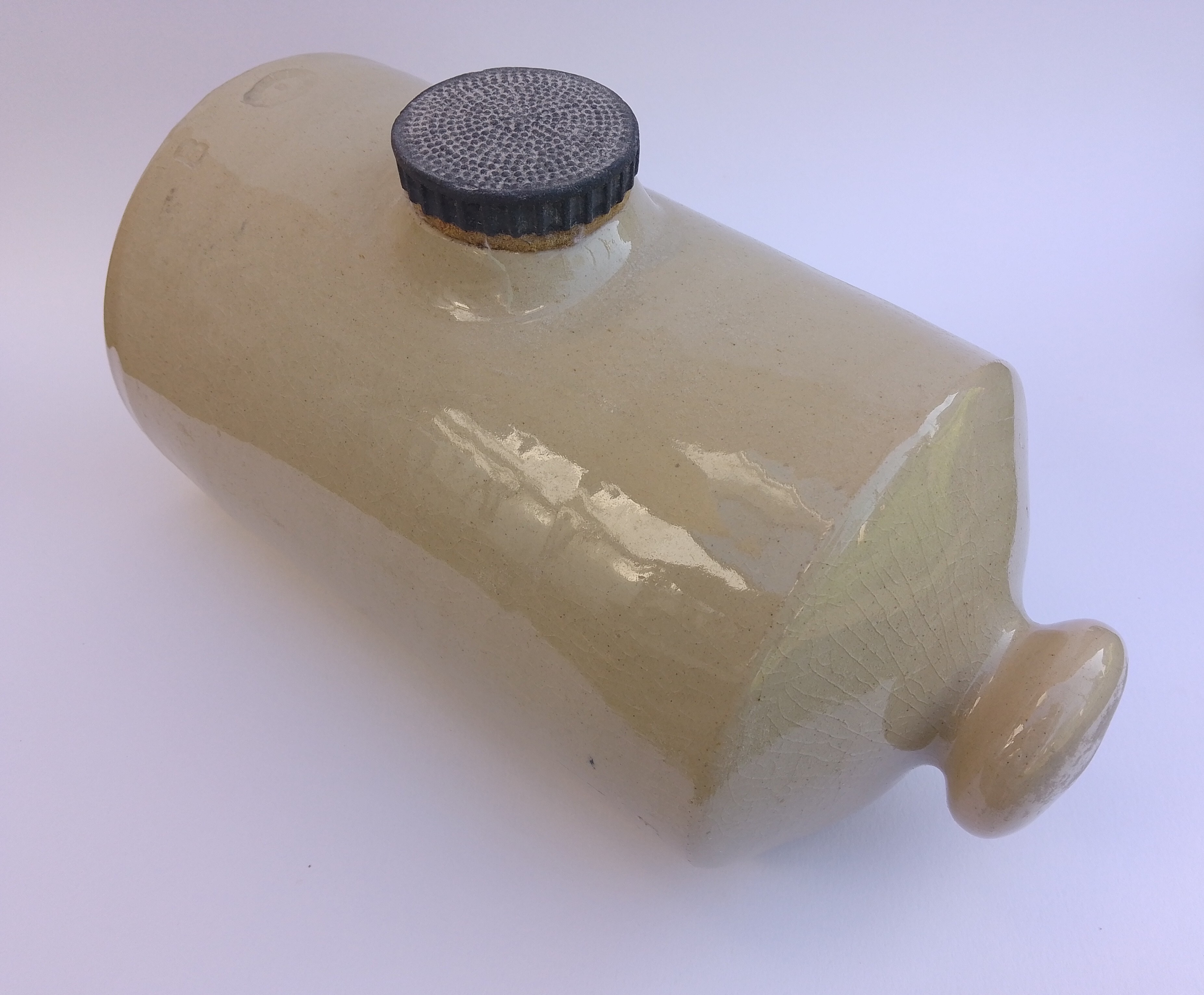
Prior to ceramic, foot warmers were commonly made from metal and filled with burning materials such as coals or embers. While effective, they carried an obvious risk. It requires little imagination to understand how open heat sources and layered clothing could present a hazard. The ceramic iteration represents a modest but meaningful development – an attempt to improve both safety and usability while addressing the same fundamental need.
These examples likely date from around the 1870s, with continued use into the early 20th century. Their persistence speaks to their utility. When something fulfils its purpose, even imperfectly, it tends to endure.
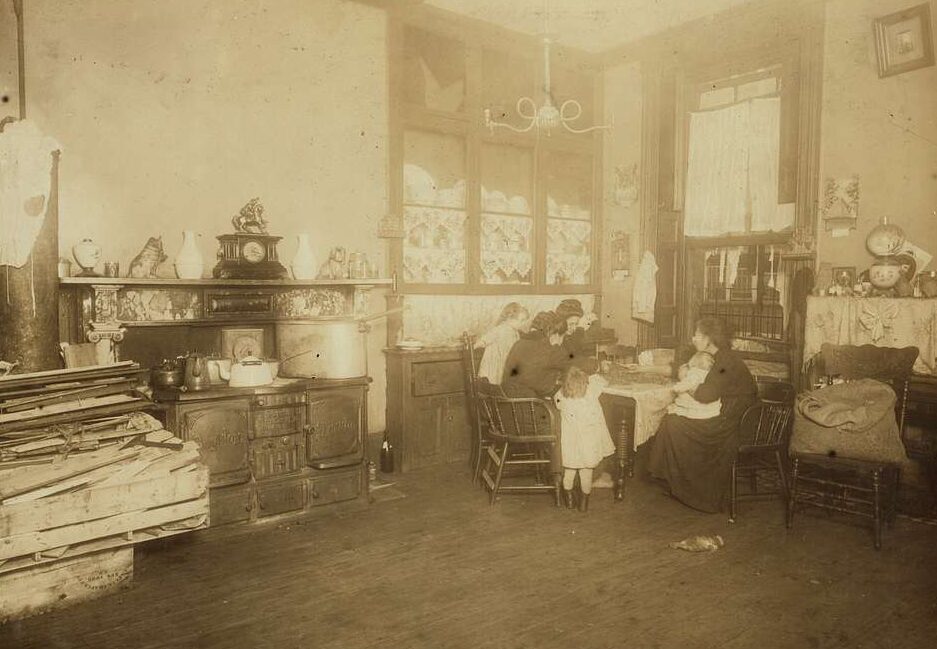
What is perhaps most striking is how familiar the underlying idea remains. While materials and technology have evolved considerably, the principle has not. Then, as now, the challenge was the same: how to capture and direct warmth where it is needed most.
The modern hot water bottle solves this problem with different materials and improved reliability, but the thinking is unchanged. It is a continuation, rather than a departure.
For those of us working within the built environment, these moments of continuity matter.
Understanding how people have interacted with places over time helps inform how they evolve, balancing heritage with future potential to create environments that feel both meaningful and enduring.
At Civic, our archaeology and built heritage team from the very earliest stages of site investigation. We help uncover, understand and interpret what was there before, ensuring that cultural heritage meaningfully informs what comes next.
Want to find out more about our team?